




 AdChoices
Why Frame Alignment Matters After a Car Accident
Professional Frame Repair & Alignment Services in Houston, TX
A car accident can leave damage that extends far beyond what you see on the outside. While a damaged bumper, dented fender, or misaligned door may be immediately noticeable, the impact can also affect the structural dimensions of your vehicle. Even when the exterior appears relatively undamaged, hidden structural problems may influence steering, suspension geometry, tire performance, and overall vehicle stability.
Understanding the importance of frame alignment can help you make better decisions after a collision. At River Oaks Cars Body Shop, located at 4807 Kirby Dr, Houston, TX 77098, drivers can explore professional collision repair solutions and the appropriate next steps for their damaged vehicles.
Our goal is to help customers understand why structural damage deserves careful attention and why a thorough assessment is an important part of the collision repair process. If your vehicle has been involved in an accident, Frame Repair & Alignment Services in Houston, TX may be necessary to address damage affecting its underlying structure.
RIVER OAKSHouston, TX
What Is Frame Alignment, and Why Is It Important?
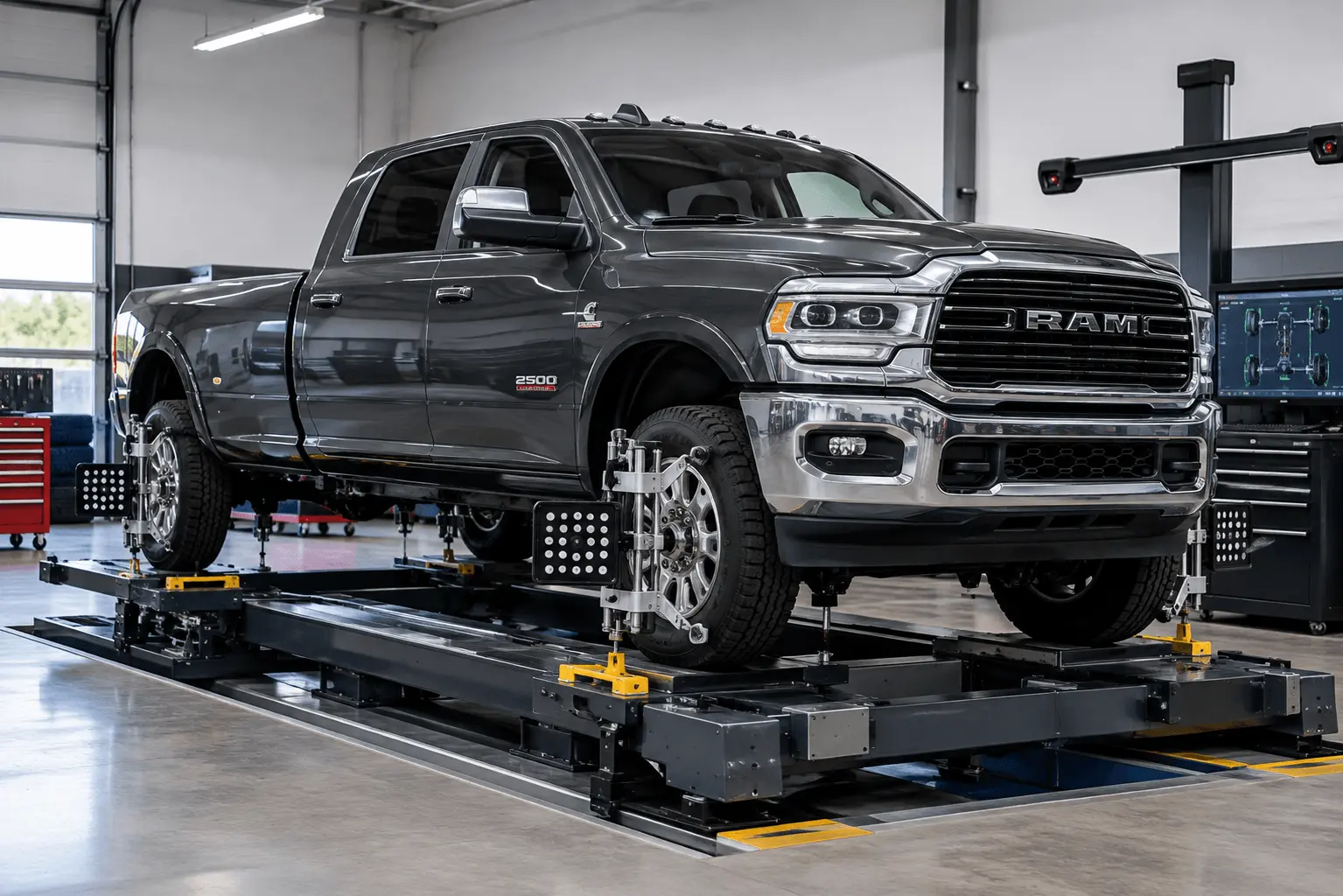
Frame alignment is the process of assessing and correcting structural dimensions when collision damage has displaced or distorted a vehicle's frame or other structural components. Depending on the vehicle's design, the structure may consist of a separate frame or an integrated unibody construction.
Manufacturers engineer these structures with specific dimensions and mounting positions. These measurements help ensure that body panels, suspension components, steering systems, and other parts fit and function as intended.
When a collision changes those dimensions, the consequences may extend beyond appearance. Components can become improperly positioned, suspension geometry may be affected, and some safety-related systems may require additional inspection.
Professional Auto Frame Repair Houston services begin with identifying the extent of the damage. Technicians can then determine whether structural correction, component replacement, or additional mechanical repairs are appropriate for the vehicle.
The objective is not simply to make a car look straight. It is to address identified structural damage using suitable repair methods and applicable manufacturer specifications.
Five Reasons Frame Alignment Matters After an Accident
1. It Helps Restore Structural Integrity
A vehicle's structure is designed to support its major components and manage forces during a collision. Depending on its construction, specific sections may be engineered to deform in controlled ways to help protect occupants.
When these areas are damaged, their original geometry may be compromised. A repair that focuses exclusively on exterior panels could leave underlying structural concerns unresolved.
Professional structural repair helps identify damaged sections and determine whether they can be repaired or must be replaced. The correct approach depends on the vehicle's materials, the location of the damage, and the manufacturer's repair procedures.
Properly addressing structural damage is an important part of restoring the vehicle's intended design. However, frame alignment alone cannot guarantee that every safety feature has been restored; airbags, seat belts, sensors, and other systems may require separate inspection or service.
2. It Supports Predictable Steering and Handling
A vehicle should respond consistently when you turn the steering wheel or travel along a straight road. Following a collision, changes in structural dimensions or suspension mounting positions can affect that response.
You might notice that the vehicle pulls to one side, the steering wheel appears off-center, or the car feels different when navigating turns. These symptoms can result from several problems, including damaged suspension components, incorrect wheel alignment, or structural displacement.
A professional inspection helps determine which components require attention. If the underlying structure has shifted, correcting the structural problem may be necessary before a final wheel alignment can be completed.
Choosing appropriate Car Frame Alignment Services in Houston, TX can help identify whether collision-related structural changes are contributing to these handling concerns.
3. It Helps Address Uneven Tire Wear
Your tires depend on appropriate wheel alignment to maintain consistent contact with the road. When alignment angles fall outside the recommended specifications, tread wear may become uneven.
After an accident, damaged suspension components or displaced mounting points can affect the relationship between the wheels and the vehicle's structure. Over time, unresolved alignment problems may contribute to premature tire wear and reduced driving comfort.
Replacing worn tires without correcting the underlying cause may not solve the problem. A proper assessment should establish whether the issue originates from the wheels, suspension, steering components, or structural damage.
Once the cause has been identified, the appropriate repairs and alignment adjustments can be planned. This approach helps address the source of the problem rather than treating only its visible effects.
4. It Helps Correct Body Panel Fitment Problems
Changes in door gaps, hood positioning, or trunk alignment can sometimes indicate that a collision has affected the vehicle's structure.
For example, a door may become difficult to close, or the gap between two body panels may appear wider on one side than the other. These problems may result from damaged hinges, latches, or panels, but structural displacement is another possibility.
A detailed inspection can help distinguish between cosmetic damage and issues involving the vehicle's underlying dimensions. This matters because adjusting a panel without addressing the source of the misalignment may not provide a lasting solution.
Professional Frame & Structural Repair Houston, TX services can help determine whether structural measurements need to be checked before related bodywork is completed.
5. It Supports the Proper Function of Related Vehicle Systems
Modern vehicles rely on interconnected mechanical and electronic systems. Suspension components, steering assemblies, sensors, and advanced driver-assistance features may all be affected by collision damage.
If structural dimensions or mounting locations have changed, certain components may no longer sit in their intended positions. Depending on the vehicle and the damage, repairs may require additional diagnostic checks or sensor calibration.
Structural inspection is therefore one part of a broader collision repair process. The repair plan should consider the specific systems affected by the impact rather than assuming that correcting the frame resolves every concern.

Warning Signs That Your Vehicle May Have Structural Damage
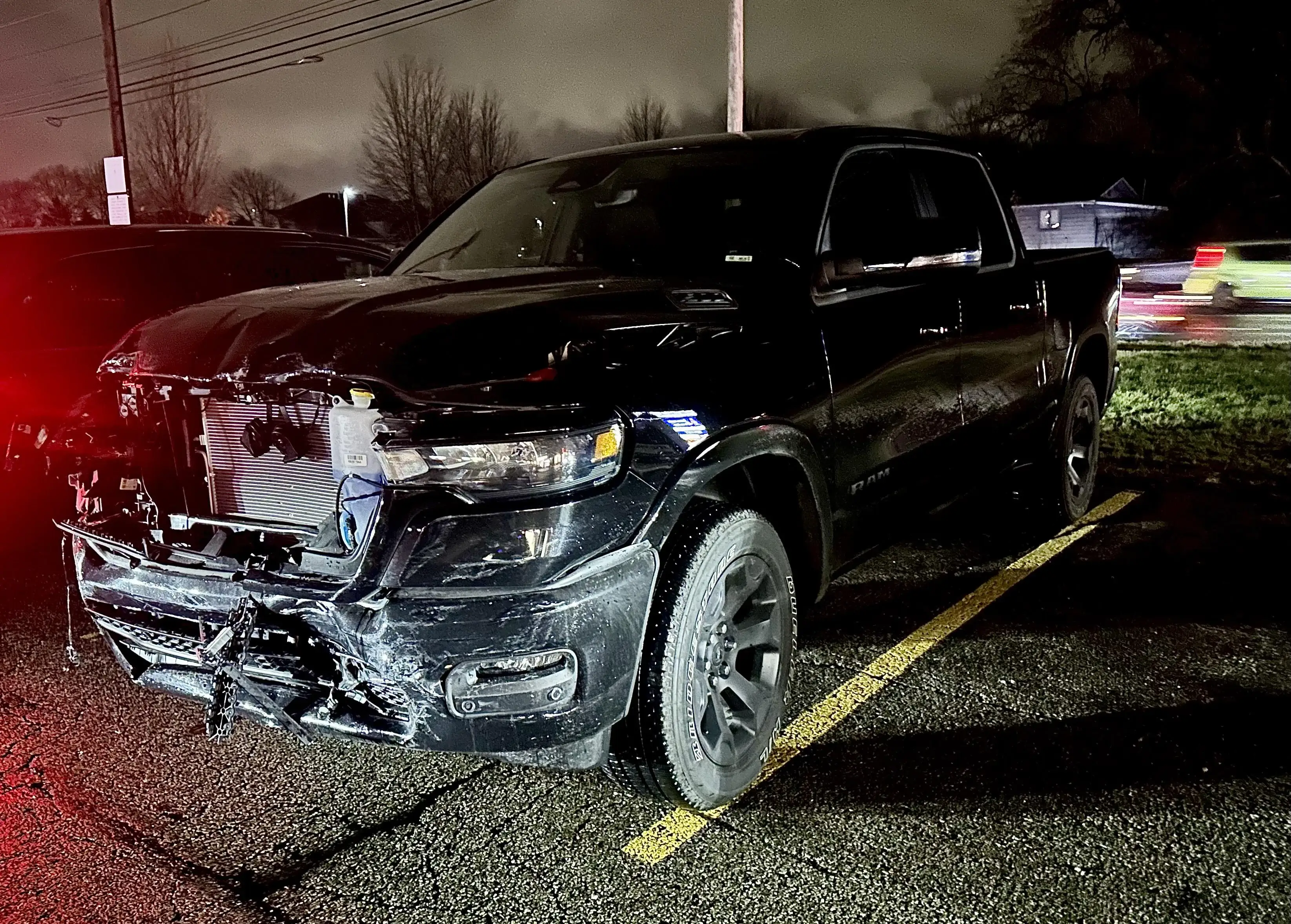
Not every damaged frame produces an obvious visual clue. Some problems become noticeable only when the vehicle is driven or when a technician examines the affected areas.
After a collision, pay attention to the following signs:
- The steering wheel sits off-center while driving straight.
- The vehicle pulls noticeably to one side.
- Tires develop irregular or uneven tread wear.
- Doors, the hood, or the trunk no longer fit as they did before the impact.
- Visible structural sections appear bent, creased, or distorted.
- Body panel gaps have changed unexpectedly.
- The vehicle handles differently from its pre-accident condition.
These symptoms do not automatically confirm frame damage. Wheel alignment problems, worn components, and other mechanical issues can produce similar effects.
If you notice these changes, arrange a professional inspection. When structural damage is severe or the vehicle's steering and handling may be compromised, avoid driving it until its condition has been assessed.
How Professional Frame Repair and Alignment Works
A suitable repair plan depends on the location, severity, and nature of the collision damage. The following steps explain the general process involved in professional structural repair.
Step 1: Inspect the Vehicle
The process begins with examining visible damage and identifying areas that may need further investigation. Depending on the collision, this may include structural sections, suspension mounting points, body panels, and related mechanical components.
Step 2: Measure Structural Dimensions
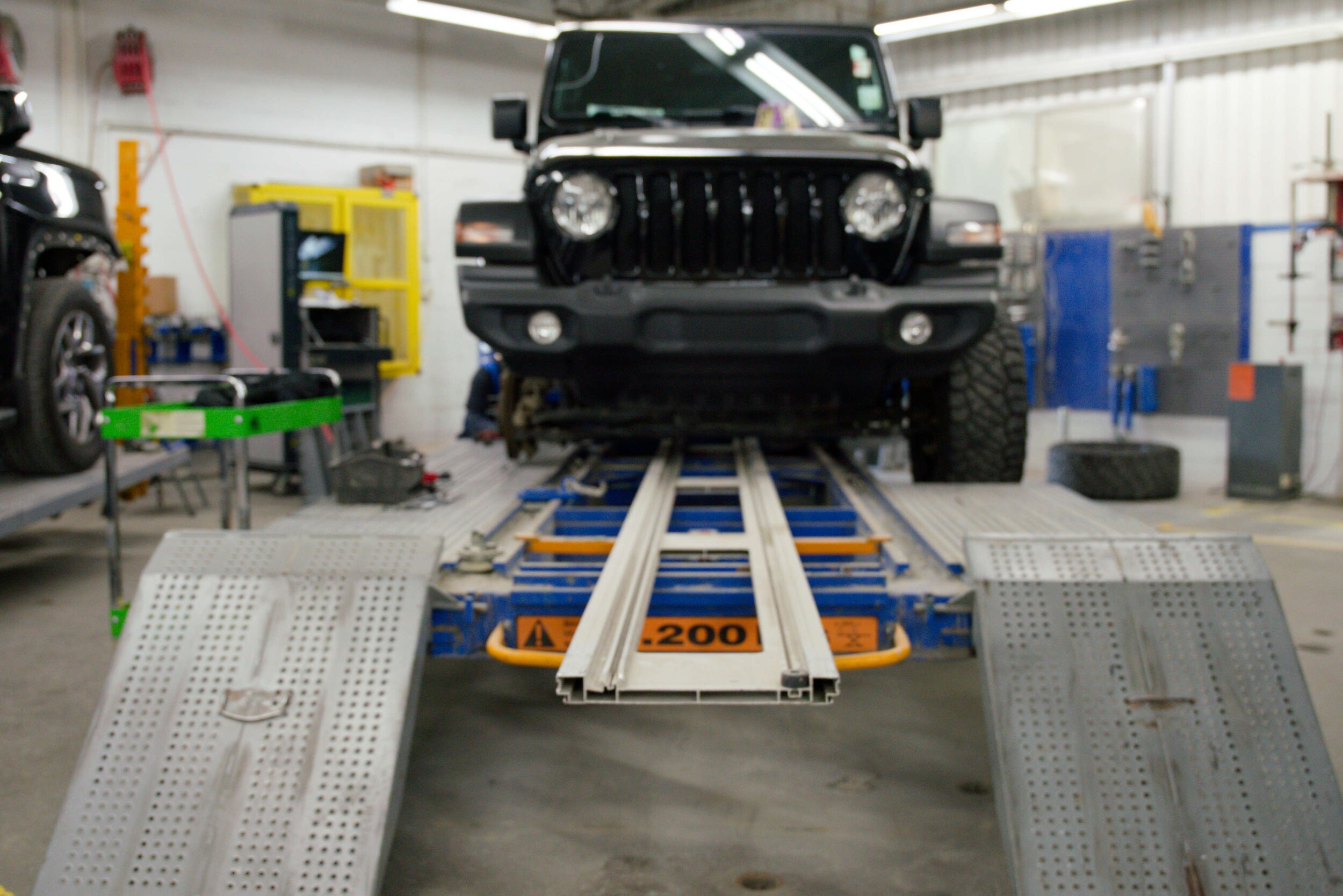
When structural damage is suspected, appropriate measuring equipment and vehicle-specific reference specifications help determine whether important dimensions remain within the required tolerances.
These measurements provide information that visual inspection alone may not reveal.
Step 3: Determine the Appropriate Repair Method
Technicians use the inspection findings to establish a repair plan. Some damaged areas may be suitable for controlled correction, while other components may require replacement under the applicable manufacturer guidelines.
The vehicle's materials are particularly important because different steels, aluminum structures, adhesives, and other materials can require different repair procedures.
Step 4: Complete the Required Structural Work
The identified repairs are carried out using appropriate methods and equipment. The goal is to restore the relevant structural dimensions and component relationships according to the applicable specifications.
Additional mechanical or body repairs may be necessary depending on the original damage.
Step 5: Check Related Systems
Following structural repairs, further inspections may be needed to assess wheel alignment, suspension condition, panel fitment, and electronic safety systems. Any required calibrations should follow the vehicle manufacturer's procedures.
The final scope of work depends on the inspection findings and the repairs authorized for the vehicle.

Choosing River Oaks Cars Body Shop for Collision Repair in Houston
After an accident, selecting a body shop involves more than comparing repair estimates. You also need to understand how the damage will be evaluated and which repairs may be required to address the vehicle's condition.
River Oaks Cars Body Shop is located at 4807 Kirby Dr, Houston, TX 77098. The facility provides collision repair services for drivers seeking assistance with vehicle damage, structural concerns, and related bodywork.
When discussing your repair needs, consider the following:
- Damage assessment: Ask how visible and potential underlying damage will be evaluated.
- Repair recommendations: Request an explanation of the proposed work and why it is necessary.
- Vehicle-specific procedures: Confirm that the repair plan accounts for your vehicle's construction and applicable manufacturer guidelines.
- Related repairs: Discuss whether suspension, wheel alignment, electronic diagnostics, or sensor calibration may also be required.
- Estimate and communication: Understand the expected scope of work, costs, and next steps before authorizing repairs.
If you need Structural Alignment Services in Houston, TX, contact River Oaks Cars Body Shop to discuss your vehicle's condition and determine the appropriate next step.
Serving Houston and Surrounding Communities
River Oaks Cars Body Shop serves customers seeking collision repair assistance in Houston, Bellaire, Sugar Land, Katy, Tomball, and Pearland, TX.
Whether you live in central Houston or a nearby community, you can contact the body shop to discuss collision damage, request an estimate, and learn about available repair options. If your vehicle has developed unusual handling characteristics or visible structural concerns after an accident, a professional assessment can help establish what needs attention.
For drivers searching online for frame repair near Houston, choosing a conveniently located repair facility can make it easier to discuss the damage, understand the proposed work, and coordinate the next steps.


Contact River Oaks Cars Body Shop for Collision Repair Assistance
A vehicle's structural condition deserves attention after a collision, even when the visible damage appears minor. Identifying the source of alignment problems can help establish which repairs are necessary and whether related mechanical or electronic systems need additional attention.
If your vehicle has been involved in an accident, River Oaks Cars Body Shop can help you explore your collision repair needs and understand the next steps.
Looking for Frame Repair & Alignment Services in Houston, TX? Contact River Oaks Cars Body Shop to discuss your vehicle's condition and request a repair estimate.
River Oaks Cars Body Shop
4807 Kirby Dr, Houston, TX 77098
Phone: 713-481-2827
Website: https://www.riveroakscars.com/body-shop.htm
Get in touch to discuss your vehicle's damage and explore the appropriate repair options for your situation.
Frequently Asked Questions
Frame repair addresses damage to a vehicle's structural components. Wheel alignment involves adjusting wheel angles to the specified settings. If structural damage affects suspension mounting positions, the underlying problem may need to be corrected before the final wheel alignment is performed.
No. Many collisions cause only cosmetic damage or affect replaceable exterior components. A professional assessment helps determine whether structural measurements or corrective work are necessary.
That depends on the severity and location of the damage. A compromised structure may affect handling or other vehicle systems. If significant damage is suspected, have the vehicle assessed before driving it and arrange towing if its condition may be unsafe.
The timeframe varies according to the extent of the damage, vehicle design, parts availability, and the repairs required. An estimate following inspection can provide a more useful timeframe for your particular vehicle.
Coverage depends on your policy, deductible, the circumstances of the collision, and your insurer's claim decision. Review the applicable terms with your insurance provider and discuss the repair estimate before proceeding.
Unusual steering behavior, changes in body panel gaps, visible deformation, or irregular tire wear may indicate a problem. These symptoms can also have other causes, so a professional inspection is the best way to determine whether structural repairs are required.