




A vehicle accident can affect much more than the exterior appearance of a car. Even when the damage seems limited to a bumper, fender, grille, or door, the impact may disturb electronic components, wiring connections, sensors, and safety systems hidden beneath the vehicle's body panels. This is why modern collision repair involves more than straightening metal and repainting damaged surfaces. Technology-based diagnostics have become an important part of identifying problems and planning accurate repairs.
Vehicle scanning plays a valuable role in this process by allowing technicians to communicate with a vehicle's onboard electronic systems and retrieve diagnostic information. It helps identify faults that may not be visible during a conventional physical inspection. For drivers seeking dependable Collision Repair in Houston, TX, understanding this technology can help them make informed decisions about where to take their vehicles after an accident.
At River Oaks Cars Body Shop, located at 4807 Kirby Dr, Houston, TX 77098, we understand the importance of combining professional collision repair knowledge with modern vehicle repair practices. As an I-CAR Gold Class certified collision repair facility, our focus is on quality workmanship, manufacturer-specific repair procedures, and restoring vehicles with attention to safety and detail.
What Is Vehicle Scanning in Collision Repair?
Vehicle scanning is a diagnostic process that uses specialized electronic equipment to communicate with a vehicle's onboard computer modules. Modern automobiles contain multiple electronic control units (ECUs) that monitor and manage different vehicle functions, including engine performance, braking, airbags, steering, lighting, and driver assistance technologies.
When a collision occurs, these systems may register diagnostic trouble codes (DTCs). These codes provide technicians with information about detected malfunctions, communication interruptions, and potential problems involving electronic components.
A diagnostic scan helps identify these stored faults without requiring technicians to dismantle every component to investigate possible problems. Depending on the vehicle's design and the scanning equipment used, technicians can access information from multiple electronic modules and determine which systems require further inspection.
For example, a vehicle involved in a front-end collision may have damage around its bumper-mounted parking sensors or radar equipment. The exterior damage might appear relatively minor, but the impact could affect the operation or positioning of these components.
Vehicle scanning helps uncover such concerns and supports a more informed collision repair plan. It is particularly valuable for modern vehicles equipped with sophisticated electronic safety and convenience features.
Why Is Vehicle Scanning Important After a Car Accident?
Today's vehicles depend heavily on electronic communication between interconnected systems. A problem involving one component can sometimes affect the operation of other vehicle functions.
Relying exclusively on visual inspection may therefore leave certain electronic faults undetected. Vehicle scanning adds another layer of diagnostic information, helping technicians investigate potential issues before and after repair work.
Here are several important reasons why scanning matters during professional collision repair.
1. Identifying Hidden Electronic Damage
Not every accident-related problem produces an obvious physical symptom. A damaged sensor connection, interrupted electrical circuit, or malfunctioning control module may not immediately attract attention.
A diagnostic scan can retrieve stored trouble codes that indicate potential faults within these systems. Technicians can then investigate the relevant components and determine whether the issue is connected to the accident, an existing condition, or another cause.
This information helps create a more comprehensive understanding of the vehicle's condition before repairs begin.
2. Checking Airbag and Supplemental Restraint Systems
Airbags and seat belt pretensioners are important components of a vehicle's occupant protection system. Depending on the collision severity and impact location, related sensors, wiring, and restraint system components may require inspection.
Diagnostic scanning can help identify faults recorded by the airbag control module and other related electronic systems. However, a scan alone cannot establish that every restraint component is physically safe or undamaged.
Proper inspection, manufacturer-approved testing procedures, and replacement of affected components are essential when addressing accident-related restraint system problems.
3. Evaluating Advanced Driver Assistance Systems
Advanced Driver Assistance Systems (ADAS) have changed the way modern vehicles help drivers recognize potential road hazards. Depending on the vehicle, these technologies may include:
- Forward collision warning.
- Automatic emergency braking.
- Lane departure warning.
- Lane keeping assistance.
- Blind spot monitoring.
- Adaptive cruise control.
- Rear cross-traffic alert.
- Parking assistance.
These features depend on cameras, radar sensors, ultrasonic sensors, and electronic control modules to collect and process information.
A collision involving a bumper, windshield, grille, mirror, or sensor mounting area may affect one or more of these systems. Diagnostic scanning helps identify electronic faults, while additional inspection and calibration procedures may be necessary to restore the equipment to manufacturer specifications.
Understanding Pre-Repair and Post-Repair Vehicle Scanning
A comprehensive collision repair process may involve two important diagnostic stages: pre-repair scanning and post-repair scanning. Each serves a different purpose and provides useful information for evaluating repair quality.
Pre-Repair Scanning: Understanding the Vehicle's Initial Condition
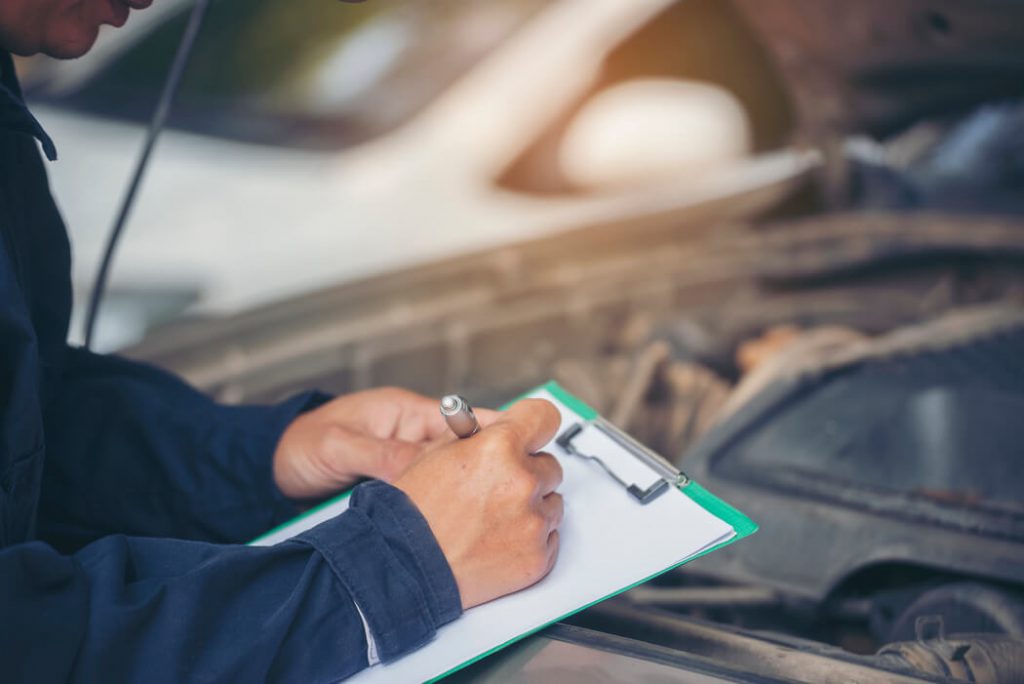
Pre-repair scanning is generally performed during the initial damage assessment or repair planning stage. A compatible diagnostic tool communicates with available vehicle control modules and retrieves stored diagnostic trouble codes.
This information helps technicians understand the vehicle's electronic condition before performing repair operations.
The benefits of pre-repair scanning include:
- Identifying existing electronic faults.
- Documenting diagnostic trouble codes before repairs.
- Recognizing potential damage to electronic safety systems.
- Supporting a more accurate repair assessment.
- Identifying possible calibration or programming requirements.
- Helping distinguish pre-existing issues from accident-related concerns.
Consider a vehicle that arrives at a collision center following a rear-end accident. Its exterior bumper may be visibly damaged, but the vehicle could also have faults involving parking sensors or rear cross-traffic monitoring equipment.
A pre-repair scan can help identify electronic concerns that might otherwise remain unnoticed during the initial visual assessment.
Post-Repair Scanning: Verifying Electronic System Conditions
Post-repair scanning takes place after the relevant repair operations have been completed. Its purpose is to check vehicle electronic systems again and identify any outstanding or newly recorded diagnostic trouble codes.
This stage is important because repair activities may involve disconnecting batteries, removing electrical components, replacing sensors, or disturbing wiring connections.
A post-repair scan helps technicians evaluate whether the affected systems are communicating correctly and whether additional diagnosis is necessary.
Important post-repair checks may include:
- Reviewing diagnostic trouble codes across accessible modules.
- Identifying faults that remain after repair work.
- Checking for new diagnostic codes introduced during repairs.
- Verifying electronic communication between relevant systems.
- Confirming whether required calibration procedures have been completed.
- Documenting the final diagnostic results.
It is important to understand that clearing a trouble code does not automatically repair the underlying problem. If a fault returns, further diagnosis and corrective work may be necessary.
Vehicle Scanning vs. ADAS Calibration: Understanding the Difference
Vehicle scanning and ADAS calibration are closely related, but they are not interchangeable procedures.
Scanning identifies electronic faults and provides diagnostic information about vehicle systems. Calibration, on the other hand, adjusts or verifies the positioning and operation of specific sensors, cameras, or other components according to manufacturer requirements.
For example, imagine that a vehicle's front bumper is replaced after an accident. If the vehicle has radar equipment mounted behind the bumper, the repair may affect the sensor's positioning or operating conditions.
A diagnostic scan may identify related electronic faults, but it does not necessarily confirm that the radar sensor is correctly aligned.
Depending on the manufacturer's instructions and the repair performed, static calibration, dynamic calibration, initialization, or another prescribed procedure may be required.
Static calibration: This procedure generally uses specialized targets, equipment, and controlled workshop conditions to align or calibrate certain cameras and sensors.
Dynamic calibration: Some systems require the vehicle to be driven under specified road conditions so that the system can complete its calibration process.
The appropriate procedure depends on the vehicle's make, model, year, equipment configuration, and the components affected by the collision.
Understanding this distinction is important when selecting a professional collision repair facility because a diagnostic scan alone should never be treated as proof that every affected ADAS feature has been restored.
Which Vehicle Components May Require Diagnostic Attention?
Modern vehicles contain electronic systems throughout their structure. Depending on the collision location and severity, several components may require scanning, inspection, or additional testing.
| Vehicle Component | Why It May Need Attention |
|---|---|
| Airbag Control Module | May record faults involving the supplemental restraint system. |
| Parking Sensors | Can be affected by bumper impacts or damaged mounting points. |
| Radar Sensors | May require inspection and calibration following front or rear impact damage. |
| Front-Facing Cameras | Can be affected by windshield replacement or damage to mounting areas. |
| ABS Control Module | May record faults involving braking and wheel-speed information. |
| Steering Angle Sensor | May require initialization or calibration after certain repairs. |
| Blind Spot Monitoring | Can be affected by damaged rear-quarter panels, mirrors, or sensor mounting areas. |
| Electronic Control Units | May record communication faults or component-related diagnostic codes. |
Not every collision requires every component to be scanned, replaced, or calibrated. The correct diagnostic requirements must be determined using vehicle-specific manufacturer information and the actual repair operations involved.
How Vehicle Scanning Helps Improve Collision Repair Accuracy
One of the biggest advantages of diagnostic scanning is that it provides technicians with additional information when developing a repair strategy.
Without electronic diagnostics, certain issues may only become apparent after the vehicle has been reassembled or returned to the road. Identifying potential faults earlier can help reduce unexpected repair complications.
Scanning also supports better repair documentation. Recorded diagnostic information can help explain why additional components need inspection, why a particular repair operation is necessary, or why a calibration procedure must be performed.
For insurance-related repairs, this documentation may also assist communication between the repair facility, vehicle owner, and insurance company when additional accident-related damage is identified. Final coverage and approval decisions remain subject to the insurer's policy and assessment.
For anyone considering Collision Repair in Houston, TX, these diagnostic practices are worth discussing with the repair team before authorizing work.
Why Manufacturer-Specific Repair Procedures Matter
Every vehicle manufacturer develops its own engineering specifications, diagnostic requirements, and repair recommendations. Even when two vehicles have similar safety technologies, their diagnostic and calibration procedures may differ.
Factors such as vehicle architecture, sensor placement, software configuration, electrical systems, and optional equipment can influence the correct repair approach.
Following manufacturer-specific procedures helps ensure that technicians use the appropriate diagnostic methods and equipment for the vehicle being repaired.
At River Oaks Cars Body Shop, our I-CAR Gold Class certification reflects a commitment to ongoing technician education and professional collision repair standards. We recognize that modern automotive technology requires knowledgeable technicians who understand the importance of correct repair procedures.
Our facility works with all insurance companies and provides professional collision repair services for drivers who want careful workmanship and dependable customer support.
Whether your vehicle needs exterior body restoration, structural attention, or refinishing following an accident, selecting a repair facility that understands modern vehicle construction is an important step toward a satisfactory repair experience.
Choosing the Right Collision Repair Shop in Houston, TX
Finding a suitable collision repair facility involves more than comparing estimates or choosing the closest location. Vehicle owners should consider technician training, repair procedures, equipment, communication, and the facility's approach to safety-related components.
Before selecting a body shop, consider asking these questions:
- Does the facility follow vehicle manufacturer repair procedures?
- Are technicians trained to work with modern automotive technologies?
- Is pre-repair and post-repair scanning considered when required?
- Can the facility identify ADAS calibration requirements?
- Will additional damage discovered during repairs be communicated before proceeding?
- Are repair estimates and insurance-related documentation explained clearly?
These questions can help you better understand how a repair facility approaches accident damage and whether its processes address both visible and electronic concerns.
Trust River Oaks Cars Body Shop for Professional Collision Repair in Houston
After an accident, restoring your vehicle requires attention to its appearance, structural condition, and electronic functionality. A professional repair approach considers the complete vehicle rather than focusing exclusively on damaged exterior panels.
River Oaks Cars Body Shop is located at 4807 Kirby Dr, Houston, TX 77098, conveniently serving drivers throughout Houston and surrounding communities.
As an I-CAR Gold Class certified facility, we emphasize professional training, precision workmanship, and manufacturer-specific repair considerations. Our team works with all insurance companies and provides free repair estimates to help customers understand their repair needs.
From collision damage assessment to body restoration and precision paintwork, our goal is to make the repair experience more straightforward while maintaining a strong focus on quality.
If your vehicle has recently been involved in an accident, do not overlook the importance of electronic diagnostics. Contact River Oaks Cars Body Shop to discuss your vehicle's damage and explore the appropriate repair options.
Choose River Oaks Cars Body Shop when quality, professional attention, and confidence in your vehicle's restoration matter.
Visit Us: 4807 Kirby Dr, Houston, TX 77098
Call Our Body Shop: (713) 481-2827
Get a Free Estimate: https://www.riveroakscars.com/body-shop.htm
Frequently Asked Questions
1. What is a vehicle diagnostic scan after an accident?
A vehicle diagnostic scan is an electronic assessment that uses specialized equipment to communicate with onboard control modules and retrieve diagnostic trouble codes. It helps technicians identify potential electrical, sensor, and safety-system problems following a collision.
2. Is vehicle scanning necessary for every collision repair?
The need for scanning depends on the vehicle manufacturer's requirements, the type of damage, and the repair operations involved. Many manufacturers recommend or require pre-repair and post-repair scans for collision-damaged vehicles. Technicians should consult the applicable manufacturer procedures.
3. Can a vehicle have electronic damage without showing a warning light?
Yes. Certain system faults may be stored in vehicle control modules without immediately activating a dashboard warning indicator. Diagnostic equipment can help identify these hidden faults and determine whether further investigation is necessary.
4. What is the difference between a pre-scan and a post-scan?
A pre-scan identifies and documents diagnostic trouble codes before repair work begins. A post-scan checks the vehicle again after repairs to identify outstanding faults or problems introduced during the repair process.
5. Does vehicle scanning automatically calibrate ADAS sensors?
No. Scanning and calibration are separate procedures. A scan retrieves diagnostic information, while calibration adjusts or verifies the operation and positioning of certain cameras and sensors. Some vehicles require additional static or dynamic calibration following specific collision repairs.
6. Can a minor accident affect advanced safety features?
Yes. Even a relatively minor impact may disturb parking sensors, radar equipment, cameras, wiring, or their mounting locations. Whether additional inspection or calibration is necessary depends on the vehicle and the affected components.
7. Why should I choose an I-CAR Gold Class certified body shop?
I-CAR Gold Class recognition demonstrates a facility's commitment to professional collision repair training and continuing education. It is an important consideration when selecting a body shop for vehicles with modern materials, electronic components, and advanced safety technologies.
8. Where can I get professional Collision Repair in Houston, TX?
River Oaks Cars Body Shop provides professional collision repair services at 4807 Kirby Dr, Houston, TX 77098. The facility is I-CAR Gold Class certified, works with all insurance companies, and offers free repair estimates. Contact the body shop at (713) 481-2827 to discuss your vehicle's repair requirements.
Categories:
Body Shop